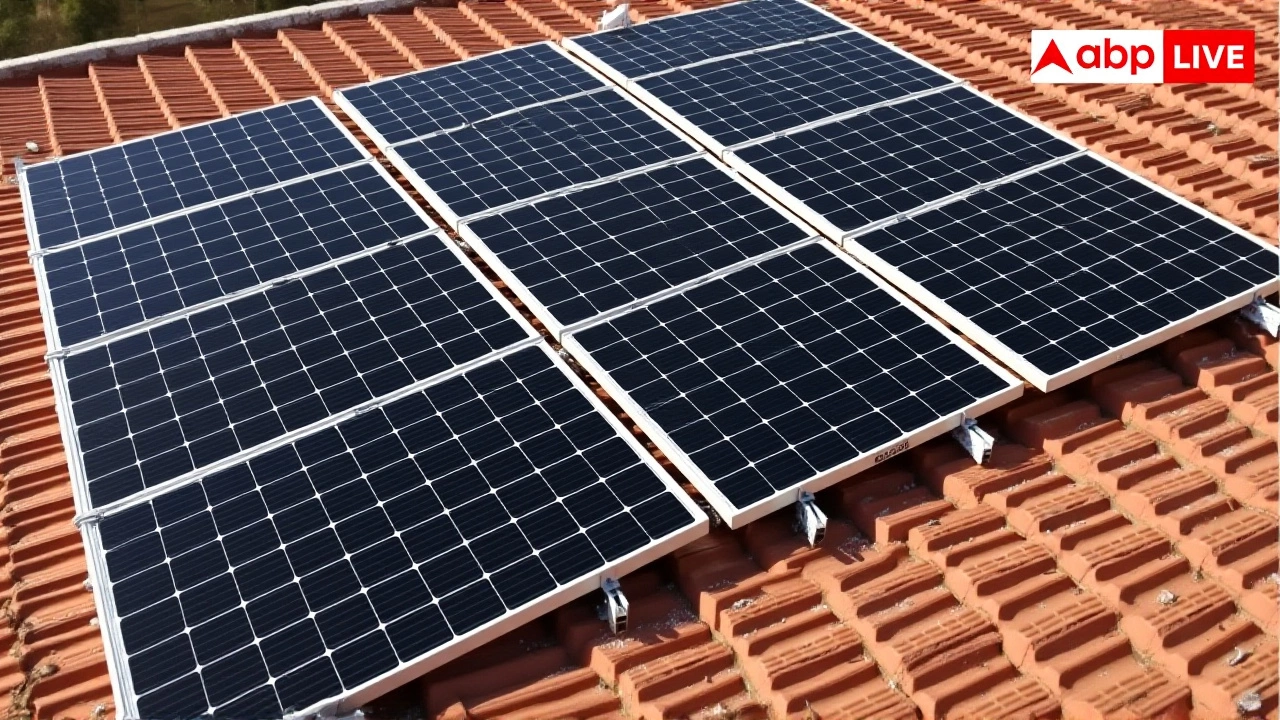
Here’s the thing about going green in India: the government wants everyone on board, but the fine print matters. If you’re running a shop and dreaming of free electricity via the Central Government's latest push, you need to know exactly where you stand. The short answer? It depends entirely on your electricity bill.
The Pradhan Mantri Surya Ghar YojanaNew Delhi is creating waves across the country. But while headlines scream "free power," the reality for small business owners is a bit more nuanced. Recent clarifications from news outlets like ABP Live and Good News Today (GNTV) have cut through the confusion, specifically addressing whether shop owners can tap into these subsidies.
The Residential vs. Commercial Divide
The core rule is simple, yet it trips up many applicants. This scheme is designed strictly for residential households. That means if you own a home with a valid domestic electricity connection, you’re in the game. The government aims to reduce household bills and promote clean energy adoption among regular citizens.
But what if you run a small store out of your living room? Turns out, there’s a loophole—if you play by the rules. If your electricity connection is classified as "domestic" (even if you use some of that power for a small home-based business), you can install solar panels on your roof and claim the subsidy. The key here is ownership: the house must be in your name, and the connection must be residential.
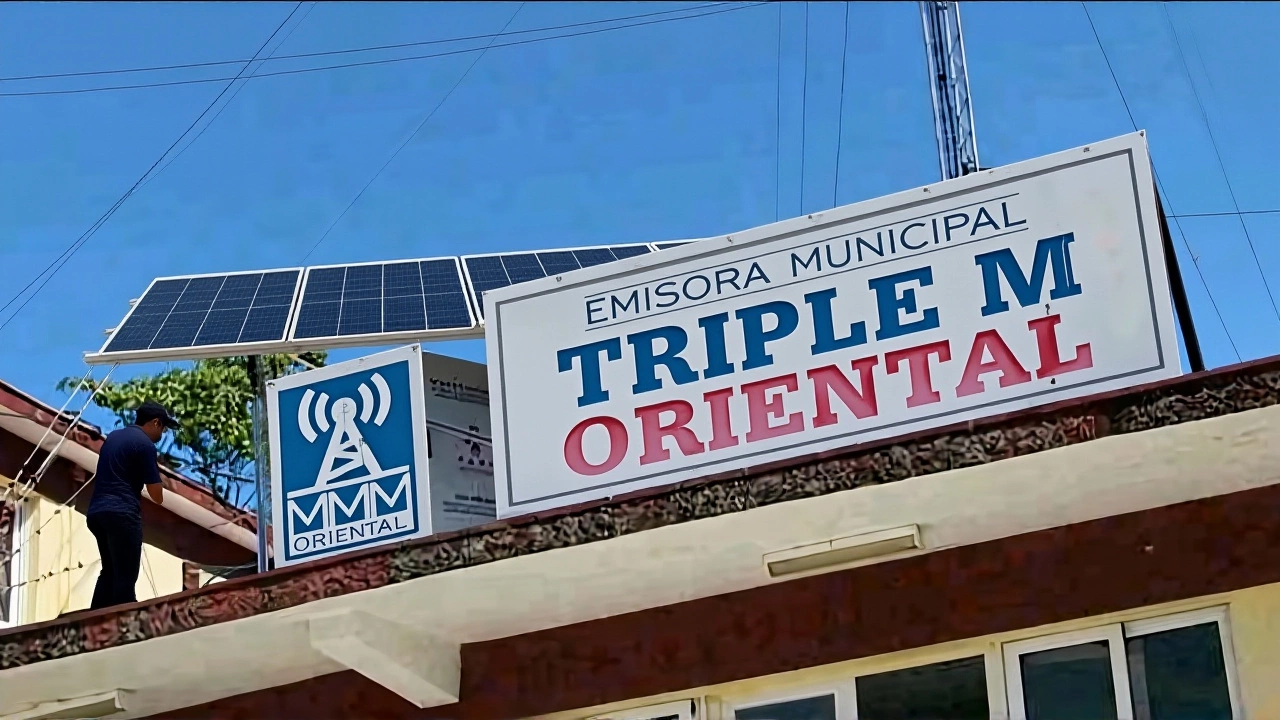
However, if you operate a standalone commercial shop with a separate commercial electricity meter, forget the subsidy. The Central Government does not provide financial aid under this specific scheme for pure commercial entities. You can still install solar panels if you want—no one is stopping you—but you’ll foot the entire bill yourself. No direct benefit transfer (DBT) for those accounts.
How Much Money Are We Talking?
For those who qualify, the numbers are attractive. The subsidy structure is tiered based on the capacity of your solar system. Here’s the breakdown:
- Up to 1 kW: You get approximately ₹30,000 per kilowatt installed.
- Up to 2 kW: The total subsidy caps at around ₹60,000.
- 3 kW or more: The maximum subsidy available is ₹78,000.
This isn’t pocket change. For a family struggling with rising power costs, nearly ₹80,000 off the installation cost is a significant relief. The money doesn’t come from middlemen; it goes straight into the beneficiary’s bank account via Direct Benefit Transfer after installation and verification.
The Application Process: Step-by-Step
Getting that money requires following a strict protocol. First, you apply online through the scheme’s official website. It’s digital-first, which speeds things up but also means no paper trails to lose.
Once applied, your local electricity distribution company (DISCOM) steps in. They conduct a technical approval process to ensure your roof can handle the panels and your grid connection is safe. After you hire an authorized agency to install the system, the DISCOM inspects the work. Only then does the money hit your bank account. It’s a closed loop designed to prevent fraud, though some users report delays in the final inspection phase.
Why This Matters Now
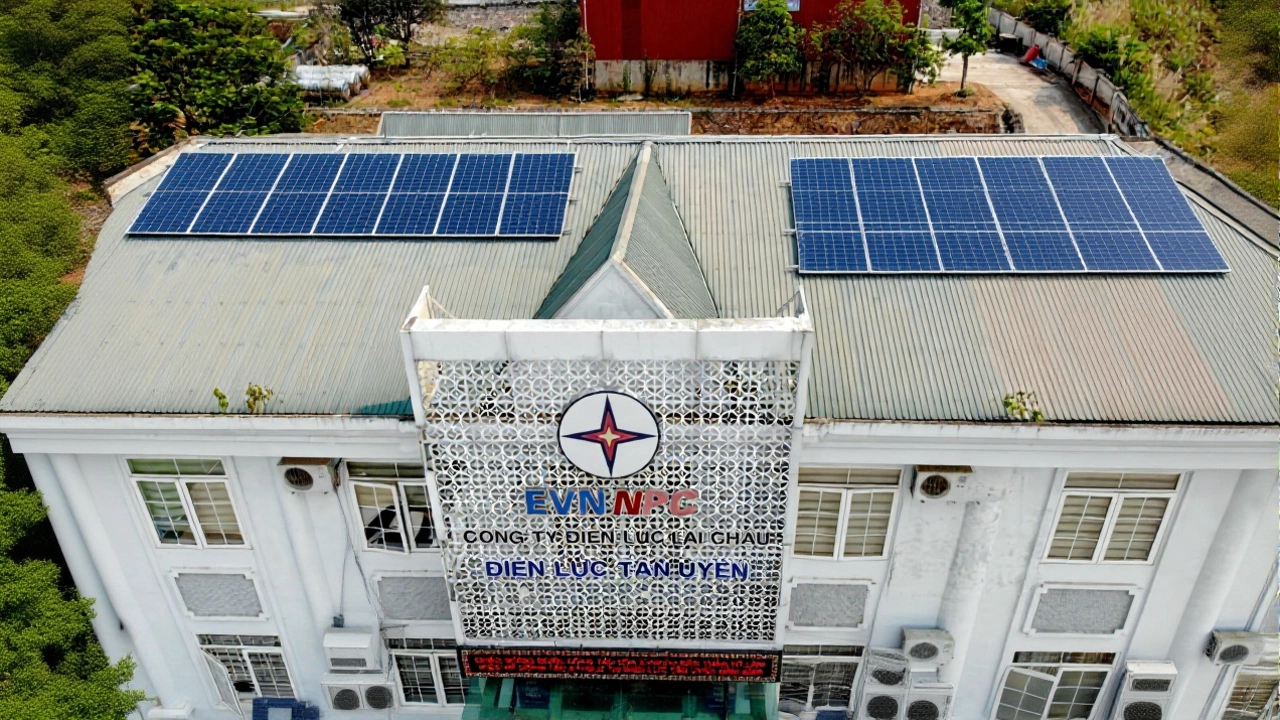
With energy prices fluctuating globally, India’s push toward self-reliance in solar power is strategic. By targeting homes first, the government hopes to create a massive decentralized power grid. For shop owners, the message is clear: check your connection type before buying equipment. If you’re on a commercial line, look for other state-specific industrial incentives instead. If you’re on a domestic line, even with a side hustle, you might just save big.
Frequently Asked Questions
Can I get a subsidy if my shop has a commercial electricity connection?
No. The Pradhan Mantri Surya Ghar Yojana is exclusively for residential connections. If your shop operates on a separate commercial meter, you are ineligible for the central government subsidy, though you can still install solar panels at your own cost.
What if I run a small business from my home?
If your electricity connection remains classified as "domestic" and the property is in your name, you are eligible. The scheme focuses on the connection type rather than minor usage variations within a household.
How is the subsidy amount calculated?
It depends on system size. You receive ₹30,000 per kW for systems up to 2kW (totaling ₹60,000). For systems of 3kW or higher, the maximum subsidy is capped at ₹78,000.
When do I receive the money?
The funds are transferred via Direct Benefit Transfer (DBT) to your bank account only after the solar installation is complete and verified by your local electricity distribution company (DISCOM).
Is there a deadline to apply?
While no hard end date is currently publicized, the scheme targets millions of households over several years. It is advisable to apply early as funding allocations may vary by region and time.